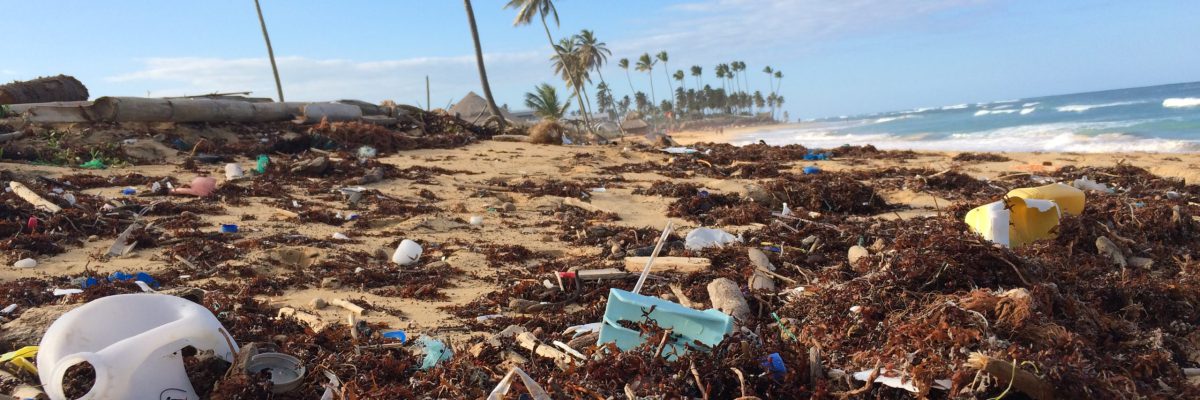
Fecal bacteria and E.coli bacteria can survive longer on plastic waste along beaches and estuaries. These bacterias tend to bind to plastic more so than seaweed. The bacterias are harmful to humans.
Photo by: https://unsplash.com/photos/RUqoVelx59I

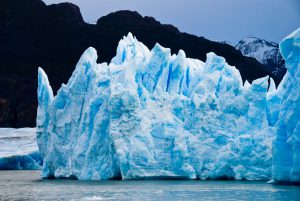
Thwaites glacier, also known as ‘doomsday’ glacier, in west Antarctica is melting at a very fast pace from the bottom. Even though it is melting
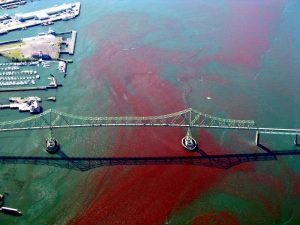
One of the strangest and least common natural phenomena, which has intensified in recent years due to an increase in the use of marine transportation,
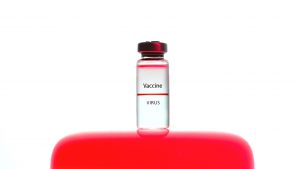
The corona virus enters the body cells through a link between the virus’ spike protein and the ace 2 protein, which exists on the surface