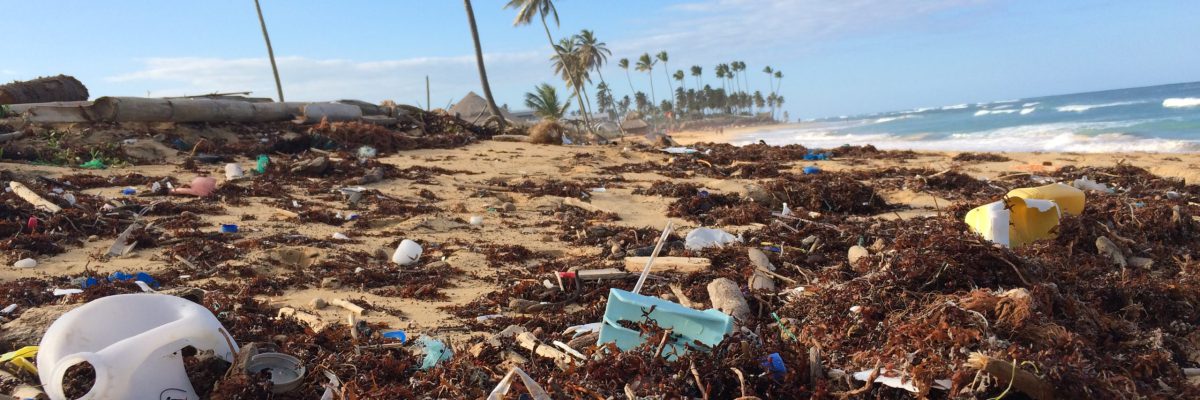
Fecal bacteria and E.coli bacteria can survive longer on plastic waste along beaches and estuaries. These bacterias tend to bind to plastic more so than seaweed. The bacterias are harmful to humans.
Photo by: https://unsplash.com/photos/RUqoVelx59I


A cargo ship from the Zim company that carried hazardous chemicals caught fire off the coast of Canada, causing environmental pollution. The fire was caused
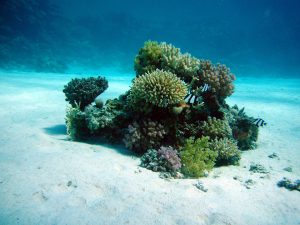
New research at Bar Ilan University in Israel, found the biological mechanism in corals is similar to humans’ biological clock. The daily rhythm of the

The Sonoran desert toad’s defense mechanism is the secretion of a poison that contains 5-MeO-DMT, lethal enough to kill an adult dog and to cause


